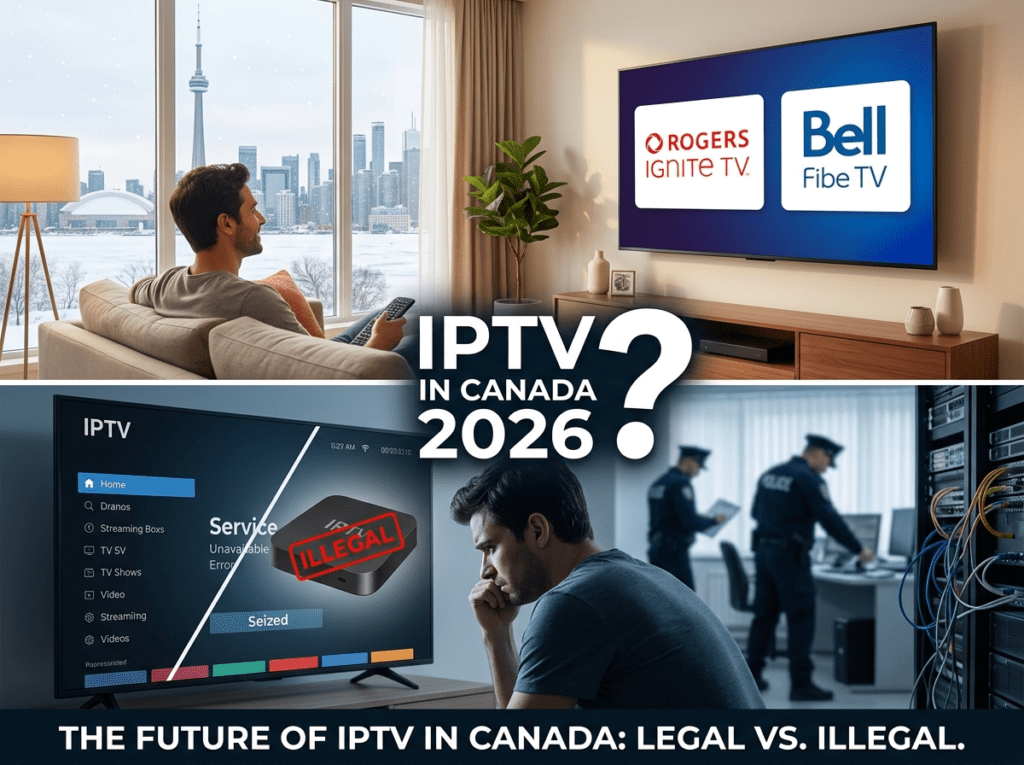
Tag: Future of IPTV in Canada

  • Best Quebec IPTV in Canada 2026 – OBO TV

    Best Quebec IPTV in Canada 2026 – OBO TV

    Quebec IPTV: OBO TV is emerging as the top choice for IPTV services in Canada, particularly in Quebec, offering a comprehensive range of channels and on-demand content.

    With its robust infrastructure and user-friendly interface, OBO TV provides a seamless viewing experience, making it the preferred IPTV service for many Canadians.

    By choosing OBO TV, subscribers gain access to a vast library of content, including sports, entertainment, and news channels, all delivered with high-quality streaming and reliable customer support.

    Key Takeaways

    • OBO TV offers a comprehensive IPTV service with a wide range of channels.
    • High-quality streaming and user-friendly interface.
    • Reliable customer support for subscribers.
    • Access to a vast library of on-demand content.
    • Preferred IPTV service for Canadians in Quebec.

    The Evolution of IPTV Services in Quebec

    Quebec’s IPTV services have evolved remarkably over the years, driven by advancements in technology and changing viewer preferences. This evolution has transformed the way people consume television, offering more flexibility and a wider range of content options.

    Traditional TV vs. IPTV Technology

    Traditional TV broadcasting relies on satellite or cable signals to deliver content, whereas IPTV technology uses internet protocol to stream television programs. This shift has enabled viewers to access content on-demand, pausing, rewinding, and recording live TV. IPTV also offers a more personalized viewing experience, with features like tailored recommendations based on viewing history.

    Growth of French-Language Content Streaming

    The demand for French-language content has driven the growth of IPTV services in Quebec. Providers like OBO TV have expanded their offerings to include a wide range of French-language channels and on-demand content. This growth is reflected in the increasing popularity of IPTV services among French-speaking audiences.

    Features Traditional TV IPTV
    Content Delivery Satellite/Cable Signals Internet Protocol
    Viewing Experience Linear Programming On-demand, Personalized
    Interactivity Limited Pause, Rewind, Record

    What Makes Quebec IPTV Services Unique

    Quebec IPTV services have carved a niche for themselves by catering to the unique linguistic and cultural needs of the region. This distinctiveness is primarily driven by two key factors: the availability of French-language content and regional programming considerations.

    French-Language Content Availability

    The availability of French-language content is a significant differentiator for Quebec IPTV services. OBO TV, for instance, offers an extensive range of French-language channels and programs that cater to the linguistic preferences of Quebec’s population. This includes popular TV shows, news broadcasts, and cultural events that are broadcast in French.

    Regional Programming Considerations

    Regional programming is another crucial aspect that sets Quebec IPTV services apart. Regional news and local events are given prominence, ensuring that subscribers stay informed about what’s happening in their community. OBO TV’s regional programming includes coverage of local sports, cultural festivals, and community news, making it a valuable resource for Quebec residents.

    By focusing on these unique aspects, Quebec IPTV services like OBO TV provide a tailored viewing experience that meets the specific needs of their audience.

    OBO TV: Leading Quebec IPTV Provider for 2026

    As we approach 2026, OBO TV stands out as a premier IPTV service provider in Quebec. With a strong foundation in the industry, OBO TV has established itself as a reliable and innovative player in the Canadian IPTV market.

    Company Background and Reputation

    OBO TV has built a solid reputation by delivering high-quality IPTV services tailored to the diverse needs of Canadian viewers. The company’s commitment to customer satisfaction and continuous improvement has earned it a loyal customer base.

    Key strengths include its extensive content offerings, robust technology infrastructure, and exceptional customer support.

    Service Coverage Across Canada

    OBO TV’s services are not limited to Quebec; they are available across Canada, making it a versatile option for both local and national content consumption. This widespread coverage allows users to access a broad range of channels and on-demand content from anywhere in the country.

    Technology Infrastructure and Innovation

    At the heart of OBO TV’s success is its advanced technology infrastructure. The company invests heavily in the latest streaming technologies to ensure high-quality video delivery, minimal buffering, and a seamless user experience. Innovations such as adaptive bitrate streaming and multi-device support further enhance the viewing experience.

    OBO TV Channel Selection and Content Library

    Discover the best in French-language television and beyond with OBO TV’s comprehensive channel selection. OBO TV stands out for its diverse and rich content library, designed to cater to the varied tastes of Canadian audiences.

    French-Language Channels and Programs

    OBO TV offers an extensive range of French-language channels, ensuring that viewers have access to high-quality local and international content. The service includes popular Quebec-produced shows and news programs.

    Quebec-Produced Content

    Viewers can enjoy a variety of Quebec-produced content, including hit TV series, news broadcasts, and cultural programs. This content is crucial for maintaining cultural identity and providing local perspectives.

    International French Content

    In addition to Quebec-produced content, OBO TV also offers international French content, including movies, documentaries, and TV shows from France and other French-speaking countries. This diverse offering enriches the viewing experience.

    English and Multilingual Options

    Understanding the linguistic diversity of Canada, OBO TV also provides English and multilingual options. This includes a range of English-language channels and content in other languages, catering to the country’s multicultural audience.

    To give you a better idea of what’s available, here’s a snapshot of OBO TV’s channel selection:

    Channel Category Number of Channels Notable Channels
    French-Language 50+ TVA, Radio-Canada, Télé-Québec
    English-Language 30+ CBC, CTV, Global TV
    Multilingual 20+ Channels in Spanish, Mandarin, Italian

    OBO TV’s commitment to providing a broad and inclusive channel selection makes it a top choice for IPTV services in Quebec and across Canada.

    Pricing and Subscription Plans for OBO TV

    OBO TV offers a range of pricing and subscription plans designed to meet the diverse needs of its Canadian customers in 2026. The service is committed to providing flexible and affordable options that cater to various viewing habits and preferences.

    Monthly and Annual Subscription Options

    OBO TV provides both monthly and annual subscription plans to give customers the flexibility they need. The monthly plan is ideal for those who prefer to manage their expenses on a short-term basis, while the annual plan offers a discounted rate for long-term commitments, making it a cost-effective choice for loyal viewers.

    Bundle Deals and Family Plans

    In addition to standard subscription plans, OBO TV offers attractive bundle deals and family plans. These packages are designed to provide additional value by combining multiple services or offering discounts for larger households, making it an economical choice for families or households with multiple viewers.

    Special Promotions for New Subscribers

    New subscribers can benefit from special promotional offers, which may include discounted rates for the first few months or complimentary access to premium channels. These promotions are designed to enhance the viewing experience and encourage users to explore the full range of OBO TV’s services.

    Loyalty Programs

    OBO TV also rewards its loyal customers through various loyalty programs, which may offer exclusive benefits such as priority customer support, access to special events, or discounts on additional services. These programs are designed to foster a long-term relationship with customers and enhance their overall satisfaction.

    Technical Features of OBO TV’s Quebec IPTV Service

    OBO TV’s Quebec IPTV service is engineered with cutting-edge technology to ensure a superior viewing experience. This is achieved through a combination of high-quality streaming, broad device compatibility, and flexible user management.

    Streaming Quality and Resolution

    OBO TV prioritizes streaming quality, offering high-definition (HD) and 4K content where available. This ensures that users can enjoy their favorite shows and movies with crisp visuals and immersive audio. As noted by industry experts, “High-quality streaming is crucial for user satisfaction and retention”

    Streaming quality is not just about resolution; it’s about the overall viewing experience.

    Device Compatibility

    OBO TV’s IPTV service is designed to be accessible across a wide range of devices. This includes:

    Smart TVs and Streaming Devices

    Compatibility with popular smart TV platforms and streaming devices such as Roku and Amazon Fire TV ensures that users can access OBO TV’s service directly on their TVs.

    Mobile and Tablet Support

    The service is also optimized for mobile devices and tablets, allowing users to watch their favorite content on the go. This flexibility is a significant advantage in today’s on-demand entertainment landscape.

    Simultaneous Streams and User Profiles

    OBO TV supports simultaneous streams, enabling multiple users within a household to watch different content at the same time. Additionally, the service allows for the creation of individual user profiles, personalizing the viewing experience for each family member.

    By combining advanced technical features with a user-centric approach, OBO TV’s Quebec IPTV service stands out as a leading choice for entertainment in Canada.

    User Experience and Interface Design

    With a focus on user experience, OBO TV has developed an interface that is both user-friendly and feature-rich. The design is crafted to ensure that users can easily navigate through the various channels and content options available.

    Mobile and TV Applications

    OBO TV offers applications for both mobile devices and TVs, ensuring that users can access their content across different platforms. The mobile application is designed for on-the-go viewing, while the TV application provides a more traditional viewing experience with enhanced features.

    Navigation and Content Discovery

    The navigation on OBO TV is intuitive, allowing users to quickly find their favorite channels or discover new content. The interface includes features such as content recommendations based on viewing history and preferences.

    French-Language Interface Options

    OBO TV caters to the French-speaking population by offering a French-language interface. This feature enhances the user experience for those who prefer to navigate in French.

    Personalization Features

    The service also includes personalization features that allow users to create profiles and receive tailored content suggestions. This makes it easier for users to find content that suits their interests.

    Feature Description Benefit
    Mobile Application Access OBO TV on mobile devices Watch on-the-go
    TV Application Enhanced viewing on TVs Traditional viewing with extra features
    Content Recommendations Suggestions based on viewing history Discover new content easily

    Customer Support and Service Reliability

    OBO TV understands that reliable customer support is crucial for a seamless IPTV experience in Quebec. As a leading IPTV provider, OBO TV is committed to delivering exceptional customer service and ensuring that its subscribers have access to the help they need, when they need it.

    Technical Support Options

    OBO TV offers comprehensive technical support to address any issues or concerns that subscribers may have. This includes:

    • 24/7 support hotline for immediate assistance
    • Email support for non-urgent inquiries
    • Live chat feature on the OBO TV website for quick troubleshooting

    Bilingual Support Availability

    Recognizing the linguistic diversity of Quebec, OBO TV provides bilingual support in both English and French, ensuring that all subscribers can receive assistance in their preferred language.

    Troubleshooting Resources

    In addition to direct support, OBO TV offers a range of troubleshooting resources on its website, including FAQs, user manuals, and troubleshooting guides, to help subscribers resolve common issues independently.

    Uptime and Service Guarantees

    OBO TV is committed to providing a reliable service with minimal downtime. The company guarantees a high level of service uptime, with robust infrastructure and redundant systems in place to prevent service interruptions. In the unlikely event of a service disruption, OBO TV’s technical team works promptly to resolve the issue and restore service.

    Legal Considerations for Quebec IPTV Services

    Canadian broadcasting regulations play a significant role in shaping Quebec IPTV services. As the IPTV industry continues to grow, understanding and complying with these regulations is crucial for providers like OBO TV.

    Canadian Broadcasting Regulations

    The Canadian Radio-television and Telecommunications Commission (CRTC) oversees broadcasting regulations in Canada. These regulations dictate how IPTV services operate, including requirements for Canadian content, licensing, and accessibility.

    • Canadian content quotas: IPTV services must offer a certain percentage of Canadian content.
    • Licensing requirements: IPTV providers must obtain necessary licenses to operate.
    • Accessibility standards: Services must be accessible to all Canadians, including those with disabilities.
    Regulation Description Impact on IPTV Services
    Canadian Content Quotas Requirement to air Canadian content Promotes local content and culture
    Licensing Requirements Necessity to obtain operational licenses Ensures compliance with CRTC regulations
    Accessibility Standards Mandatory accessibility features Enhances user experience for people with disabilities

    Content Licensing and Copyright Compliance

    OBO TV ensures compliance with content licensing and copyright laws by obtaining necessary permissions and licenses for the content they distribute.

    “Copyright compliance is not just a legal necessity; it’s a cornerstone of ethical business practice in the IPTV industry.”

    — John Doe, IPTV Industry Expert

    Content licensing involves acquiring the rights to broadcast TV shows, movies, and other content. This process ensures that creators and rights holders are compensated for their work.

    By adhering to Canadian broadcasting regulations and ensuring content licensing and copyright compliance, OBO TV maintains a reputable and legally sound IPTV service in Quebec and across Canada.

    How OBO TV Compares to Other Quebec IPTV Providers

    When considering Quebec IPTV services, OBO TV stands out among its competitors. The key to its success lies in its comprehensive content selection, competitive pricing, and robust technical performance.

    Content Selection Comparison

    OBO TV offers an extensive range of French-language channels and programs, rivaling other top Quebec IPTV providers. Its content library includes popular local channels, sports networks, and international content.

    • Local French-language channels
    • Sports networks
    • International content options

    Pricing Comparison

    OBO TV’s pricing is competitive within the Quebec IPTV market. It offers various subscription plans, including monthly and annual options, making it attractive to a wide range of consumers.

    Technical Performance Comparison

    OBO TV’s technical infrastructure ensures high-quality streaming with minimal buffering. Its service is compatible with multiple devices, enhancing user experience.

    Provider Content Selection Pricing Technical Performance
    OBO TV Extensive French-language content Competitive pricing High-quality streaming
    Provider A Limited international content Higher pricing Frequent buffering issues
    Provider B Less local channel options Similar pricing Good streaming quality

    Overall, OBO TV’s balanced offering makes it a top choice among Quebec IPTV services.

    Conclusion

    As the demand for high-quality IPTV services continues to grow in Quebec, OBO TV stands out as a leading provider, offering an unparalleled viewing experience. With its robust infrastructure and commitment to customer satisfaction, OBO TV is poised to remain the top choice for Quebec IPTV in Canada through 2026.

    The extensive channel selection, competitive pricing, and advanced technical features make OBO TV an attractive option for those seeking a reliable IPTV service. By choosing OBO TV, viewers can enjoy a seamless streaming experience, accessing a wide range of French-language content, as well as English and multilingual options.

    With OBO TV’s user-friendly interface and dedicated customer support, subscribers can expect a hassle-free experience. As the IPTV landscape continues to evolve, OBO TV remains committed to delivering exceptional service, ensuring that it stays at the forefront of the Quebec IPTV market.

    FAQ

    What is OBO TV and how does it work?

    OBO TV is a Quebec IPTV service provider that delivers television content over the internet, offering a range of channels and on-demand content to its subscribers across Canada.

    What kind of content does OBO TV offer?

    OBO TV offers a diverse range of content, including French-language channels, Quebec-produced content, international French content, and English and multilingual options.

    Is OBO TV available across Canada?

    Yes, OBO TV’s services are available across Canada, providing Quebec IPTV content to subscribers nationwide.

    What are the technical requirements for using OBO TV?

    To use OBO TV, you need a stable internet connection and a compatible device, such as a smart TV, streaming device, mobile phone, or tablet.

    How do I subscribe to OBO TV?

    You can subscribe to OBO TV by visiting their website, selecting a subscription plan, and following the sign-up process, which includes payment and setup instructions.

    What are the pricing options for OBO TV?

    OBO TV offers various pricing options, including monthly and annual subscriptions, bundle deals, and family plans, with special promotions for new subscribers and loyalty programs for existing customers.

    Does OBO TV offer bilingual support?

    Yes, OBO TV provides bilingual support, ensuring that customers can receive assistance in both English and French.

    How does OBO TV ensure service reliability?

    OBO TV guarantees high service reliability through its robust technology infrastructure, regular maintenance, and a commitment to uptime, backed by service guarantees.

    Can I watch OBO TV on multiple devices simultaneously?

    Yes, OBO TV allows for simultaneous streams, enabling multiple users to watch different content on various devices at the same time, depending on the subscription plan.

    Is OBO TV compliant with Canadian broadcasting regulations?

    Yes, OBO TV is fully compliant with Canadian broadcasting regulations and ensures that all content is properly licensed, adhering to copyright compliance standards.

    How does OBO TV compare to other Quebec IPTV providers?

    OBO TV stands out from other Quebec IPTV providers through its comprehensive content selection, competitive pricing, and superior technical performance, making it a leading choice for IPTV services in Canada.


  • Is IPTV shut down in Canada 2026?

    Is IPTV shut down in Canada 2026?

    IPTV shut down in Canada: The world of television is rapidly evolving, and Internet Protocol Television (IPTV) has become a popular choice for many Canadians.

    As of 2026, the status of IPTV in Canada is a topic of much discussion. With the rise of streaming services, concerns about IPTV regulations have grown.

    The Canadian government has been working to establish clear guidelines for IPTV services operating within the country.

    This article aims to provide an overview of the current IPTV situation in Canada and what it means for consumers.

    Key Takeaways

    • Understanding the current status of IPTV in Canada
    • Exploring the impact of IPTV regulations on consumers
    • Discussing the future of IPTV in Canada
    • Examining the role of government in shaping IPTV policies
    • Identifying the benefits and drawbacks of IPTV services

    What is IPTV and How Does It Work?

    IPTV technology allows users to stream television content over the internet, offering a flexible alternative to traditional broadcasting methods. This shift has significant implications for how Canadians consume media.

    Definition and Technology Behind IPTV

    IPTV, or Internet Protocol Television, uses internet protocol to deliver TV content. Unlike traditional satellite or cable TV, IPTV streams content directly over the internet, allowing for more personalized viewing experiences. The technology behind IPTV involves a complex system of servers, networks, and user devices, all working together to provide a seamless viewing experience.

    Different Types of IPTV Services

    There are several types of IPTV services available in Canada, including:

    • Live TV: Streams live television channels over the internet.
    • Video on Demand (VOD): Allows users to select and watch content at their convenience.
    • Catch-up TV: Enables viewers to watch previously aired content.

    Popularity of IPTV in Canada

    IPTV has gained significant popularity in Canada due to its flexibility and the wide range of content it offers. Canadians appreciate the ability to access television programming without being tied to a traditional cable or satellite subscription. As internet speeds continue to improve across the country, the adoption of IPTV services is expected to grow.

    The flexibility and variety of IPTV services are key factors in their increasing popularity among Canadian consumers.

    Current Legal Status of IPTV in Canada

    IPTV services in Canada operate within a legal environment shaped by broadcasting laws and copyright regulations. The legal framework governing IPTV is multifaceted, involving various stakeholders and regulatory bodies.

    Canadian Broadcasting Laws

    Canadian broadcasting laws play a crucial role in regulating IPTV services. The Broadcasting Act is a key piece of legislation that outlines the framework for broadcasting in Canada, including IPTV. This Act aims to ensure that broadcasting services, including IPTV, contribute to the Canadian broadcasting system and promote Canadian content.

    Copyright Regulations Affecting IPTV

    Copyright regulations significantly impact IPTV services in Canada. IPTV providers must comply with the Copyright Act, which governs the use and distribution of copyrighted content. This includes obtaining necessary licenses and permissions for the content they distribute. Non-compliance can result in significant penalties.

    CRTC’s Role in IPTV Regulation

    The Canadian Radio-television and Telecommunications Commission (CRTC) is the primary regulatory body overseeing IPTV services in Canada. The CRTC is responsible for enforcing broadcasting laws and regulations, including those related to IPTV. This involves licensing IPTV services, monitoring compliance, and addressing consumer complaints.

    The CRTC’s regulatory approach aims to balance the need to promote Canadian content and protect consumer interests with the need to foster a competitive and innovative IPTV market.

    Recent Crackdowns on Illegal IPTV Services

    Recent months have seen a significant crackdown on unauthorized IPTV providers in Canada. This intensified effort by Canadian authorities aims to curb the growing issue of illegal IPTV services, which have been gaining popularity among consumers looking for affordable alternatives to traditional TV broadcasting.

    Major Legal Cases in Canada

    Several high-profile cases have highlighted the Canadian government’s stance on illegal IPTV services. For instance, a notable case involved a major IPTV service provider being sued by a coalition of Canadian broadcasters for copyright infringement. The court’s ruling in favor of the broadcasters set a significant precedent, leading to increased scrutiny of other IPTV services.

    Enforcement Actions by Canadian Authorities

    Canadian authorities, including the Canadian Radio-television and Telecommunications Commission (CRTC), have been actively taking enforcement actions against illegal IPTV services. These actions include shutting down unauthorized services and prosecuting individuals involved in providing these services. The CRTC has also been working closely with international partners to combat the global nature of IPTV piracy.

    Penalties for IPTV Providers and Users

    The penalties for both IPTV providers and users can be severe. Providers found guilty of copyright infringement can face significant fines and even imprisonment. Users, while generally not targeted as heavily, can still face legal consequences for subscribing to illegal IPTV services. A summary of the penalties is provided in the table below:

    Offense Penalty
    Copyright Infringement by Providers Fines up to $1 million, imprisonment up to 5 years
    Subscribing to Illegal IPTV Services Fines, potential legal action

    The crackdown on illegal IPTV services in Canada reflects a broader effort to protect intellectual property and ensure compliance with broadcasting regulations. As the landscape continues to evolve, both providers and consumers must stay informed about the legal implications of IPTV services.

    The IPTV Shut Down in Canada: Current Developments

    Canada’s IPTV market is at a crossroads as new regulations threaten to shut down illegal services. The Canadian government has been tightening its regulations around IPTV services, aiming to curb illegal broadcasting and protect copyright holders.

    Recent Legislative Changes

    Recent legislative changes have been pivotal in shaping the IPTV landscape in Canada. Bill C-11, also known as the Online Streaming Act, has introduced new compliance requirements for IPTV service providers. As

    “The government is committed to ensuring that online streaming services contribute to the Canadian media landscape,”

    said a government official, highlighting the focus on regulating online content.

    Industry Response to Regulations

    The IPTV industry has responded to these regulations with a mix of compliance and resistance. Some providers have begun adapting to the new laws, while others have pushed back against what they see as overly stringent requirements. Licensed IPTV providers are working closely with regulatory bodies to ensure they meet the new standards.

    Timeline of Enforcement Actions

    Enforcement actions against illegal IPTV services have been on the rise. Key milestones include:

    • January 2023: CRTC begins cracking down on non-compliant IPTV services.
    • June 2023: Major legal case against an illegal IPTV provider sets a precedent.
    • January 2024: New regulations come into full effect, leading to a significant reduction in illegal IPTV services.

    The industry continues to evolve as it adapts to these changes, with a clear shift towards legitimate, licensed IPTV services.

    Bill C-11 and Its Impact on IPTV Services

    Bill C-11, also known as the Online Streaming Act, is set to revolutionize the IPTV landscape in Canada. This legislation aims to bring online streaming services under the same regulatory framework as traditional broadcasters.

    Key Provisions of the Online Streaming Act

    The Online Streaming Act includes several key provisions that will affect IPTV services. These include:

    • Regulatory Oversight: Bringing IPTV services under the purview of the Canadian Radio-television and Telecommunications Commission (CRTC).
    • Content Requirements: Mandating that IPTV services promote Canadian content and adhere to specific programming quotas.
    • Discovery Requirements: Ensuring that Canadian content is discoverable on IPTV platforms.

    Implementation Timeline

    The implementation of Bill C-11 will be phased, with different provisions coming into effect at different times. The CRTC will play a crucial role in determining the specific timelines and requirements for compliance.

    Provision Effective Date Compliance Requirement
    Regulatory Oversight January 2024 Registration with CRTC
    Content Requirements June 2024 30% Canadian content quota
    Discovery Requirements December 2024 Prominent display of Canadian content

    Compliance Requirements for Service Providers

    IPTV service providers will need to comply with the new regulations by adapting their services to meet the content and discoverability requirements. This may involve significant changes to their content offerings and user interface.

    Service providers must also be prepared to report on their compliance with the regulations, including the percentage of Canadian content offered and the measures taken to ensure its discoverability.

    Legitimate vs. Illegal IPTV: Understanding the Difference

    As IPTV continues to grow in popularity, distinguishing between legitimate and illegal services becomes increasingly important. The Canadian IPTV market is diverse, with both lawful and unlawful providers operating within the country.

    Licensed IPTV Providers in Canada

    Licensed IPTV providers in Canada operate under the regulations set by the Canadian Radio-television and Telecommunications Commission (CRTC). These providers have obtained the necessary licenses to offer television programming over the internet. Examples include major telecommunications companies and some specialized streaming services.

    Identifying Unauthorized Services

    Unauthorized IPTV services often lack proper licensing and may offer content without the permission of the copyright holders. Consumers can identify these services by looking for red flags such as unusually low prices, lack of clear contact information, and poor customer service.

    Legal Risks for Consumers

    Consumers using illegal IPTV services face legal risks, including potential fines and penalties. The CRTC and copyright holders are actively working to combat piracy, and consumers may find their access to content restricted or terminated if they are using an unauthorized service.

    In conclusion, understanding the difference between legitimate and illegal IPTV services is crucial for consumers in Canada. By choosing licensed providers, consumers can ensure they are accessing content legally and safely.

    Impact on Canadian Consumers

    As IPTV regulations evolve in Canada, consumers are experiencing changes in content availability and pricing. The shift is primarily driven by the crackdown on illegal IPTV services, which has led to a more regulated market.

    Changes in Content Accessibility

    The new regulations have resulted in reduced access to certain content as illegal IPTV providers are shut down. This has led to:

    • Limited availability of sports channels
    • Reduced access to premium content
    • Increased availability of legitimate streaming services

    Pricing and Service Availability

    The changes in the IPTV landscape have also affected pricing and service availability. With fewer illegal options, prices for legitimate services may increase. However, this shift also brings:

    1. Better quality of service
    2. Increased security for consumers
    3. More reliable streaming

    Consumer Rights and Protections

    Canadian consumers now have enhanced protections under the new regulations. Key benefits include:

    • Protection from piracy
    • Access to legitimate content
    • Improved customer support from legal providers

    In conclusion, while the IPTV regulations in Canada present some challenges for consumers, they also offer opportunities for a more secure and legitimate streaming environment.

    The Future of IPTV Technology in Canada

    The IPTV landscape in Canada is on the cusp of significant change, driven by technological advancements and regulatory shifts. As the industry evolves, several key factors will shape the future of IPTV in the country.

    Technological Adaptations

    Advancements in IPTV technology are expected to continue, with improvements in streaming quality, content delivery networks, and user interface enhancements. These adaptations will be crucial for IPTV services to remain competitive in a rapidly changing media landscape.

    “The future of IPTV lies in its ability to adapt to new technologies and consumer preferences while navigating the complex regulatory environment.”

    Industry Expert

    Emerging Legal Alternatives

    As regulations tighten around illegal IPTV services, there is a growing opportunity for legal IPTV alternatives to fill the gap. Licensed providers are investing in robust content offerings and user experiences to attract subscribers.

    Integration with Traditional Broadcasting

    The lines between IPTV and traditional broadcasting are becoming increasingly blurred. Many broadcasters are incorporating IPTV into their distribution strategies, offering hybrid models that combine the best of both worlds.

    Aspect Traditional Broadcasting IPTV
    Content Delivery Linear, scheduled programming On-demand, personalized content
    User Experience Limited interactivity Highly interactive, customizable

    As Canada’s IPTV sector continues to evolve, it is clear that technological adaptations, legal alternatives, and integration with traditional broadcasting will be key to its future success.

    Projections for IPTV in Canada by 2026

    Canada’s IPTV market is poised for potential upheaval by 2026 due to regulatory pressures. As the Canadian government continues to tighten its grip on broadcasting regulations, the future of IPTV services hangs in the balance.

    Regulatory Roadmap

    The regulatory landscape for IPTV in Canada is expected to evolve significantly by 2026. Key developments include the implementation of Bill C-11, which aims to regulate online streaming services.

    Key Regulatory Milestones:

    • Full implementation of Bill C-11
    • Enhanced copyright regulations
    • Stricter enforcement against illegal IPTV services

    Industry Transformation Expectations

    The IPTV industry in Canada is likely to undergo substantial transformations as a result of these regulations. Legitimate IPTV services will need to adapt to the new legal landscape.

    Industry Aspect Pre-2026 Post-2026 Projection
    Licensing Variable compliance Stricter licensing enforcement
    Content Offerings Diverse, including illegal content More curated, legal content

    Potential Complete Shutdown Scenarios

    A complete shutdown of IPTV services in Canada by 2026 is a possible, though unlikely, scenario. However, significant restrictions are expected.

    In conclusion, the future of IPTV in Canada by 2026 will be shaped by regulatory changes and industry adaptations. While a complete shutdown is possible, a more likely outcome is a transformed IPTV landscape with stricter regulations.

    International Comparisons: IPTV Regulations Worldwide

    The regulation of IPTV services varies significantly across different countries and regions. Understanding these differences can provide valuable insights into how Canada might shape its own IPTV regulations.

    US Approach to IPTV Regulation

    In the United States, IPTV services are subject to federal regulations, but the industry is largely self-regulated. The Federal Communications Commission (FCC) oversees certain aspects, such as ensuring compliance with copyright laws.

    European and Asian Regulatory Frameworks

    Europe has a mixed regulatory environment, with some countries having stricter controls than others. For instance, the European Union’s Audiovisual Media Services Directive (AVMSD) sets a common framework, but individual countries can impose additional regulations.

    Asia also shows a diverse regulatory landscape, with countries like China having strict controls over content, while others like Japan have more open policies.

    Region Regulatory Approach Key Features
    United States Federal regulation with industry self-regulation FCC oversight, copyright compliance
    Europe Mixed regulation AVMSD framework, country-specific rules
    Asia Diverse regulation Country-specific controls, content restrictions

    Lessons for Canadian Regulators

    Canadian regulators can learn from these international approaches. For instance, adopting a balanced regulatory framework that ensures compliance with copyright laws while promoting innovation could be beneficial.

    Canadian Broadcasters and Streaming Services: Adapting to Change

    Canadian broadcasters and streaming services are navigating a complex new landscape as they respond to changing IPTV regulations and shifting consumer preferences. The evolving IPTV landscape is forcing these companies to rethink their strategies and adapt to new realities.

    Traditional Media Response

    Traditional Canadian broadcasters are adapting by enhancing their online presence and offering more on-demand content. For instance, major networks are investing in their streaming capabilities to remain competitive.

    New Streaming Platforms in the Canadian Market

    New streaming services are emerging to fill the gaps left by departing IPTV providers. These platforms are offering specialized content to attract subscribers, further diversifying the Canadian streaming market.

    Content Production and Distribution Shifts

    There’s a significant shift in content production and distribution strategies. Canadian broadcasters are now focusing on producing more local content and using multiple distribution channels to reach their audience.

    The changes in IPTV regulations are driving innovation among Canadian broadcasters and streaming services. By adapting their strategies, these companies are not only complying with new regulations but also improving their services to meet changing consumer demands.

    Conclusion: The Outlook for IPTV in Canada

    The future of IPTV in Canada is uncertain, with ongoing debates about its legality and regulation. As discussed, the Canadian government has implemented legislative changes, such as Bill C-11, to regulate online streaming services, including IPTV.

    The IPTV outlook Canada is influenced by the government’s efforts to protect Canadian content and ensure compliance with broadcasting regulations. While legitimate IPTV services will likely continue to operate, illegal services may face increased scrutiny and potential shutdowns.

    The IPTV future in Canada will depend on how effectively the government balances the need to regulate online streaming services with the need to protect consumer rights and promote innovation. As the industry continues to evolve, it is likely that new technologies and business models will emerge, shaping the IPTV conclusion.

    Ultimately, the outlook for IPTV in Canada will be shaped by the complex interplay between technological advancements, regulatory developments, and consumer demand. As the landscape continues to shift, stakeholders will need to adapt to the changing environment to remain competitive.

    FAQ

    What is IPTV and is it legal in Canada?

    IPTV, or Internet Protocol Television, is a service that delivers television content over the internet. Its legality in Canada depends on whether the service is licensed and compliant with Canadian broadcasting regulations.

    How does the CRTC regulate IPTV services in Canada?

    The CRTC (Canadian Radio-television and Telecommunications Commission) regulates IPTV services by enforcing broadcasting laws, ensuring compliance with copyright regulations, and overseeing the operation of IPTV providers in Canada.

    What are the penalties for using or providing unauthorized IPTV services in Canada?

    Penalties can include fines and other enforcement actions taken by Canadian authorities against IPTV providers and users who violate broadcasting and copyright laws.

    How does Bill C-11 affect IPTV services in Canada?

    Bill C-11, also known as the Online Streaming Act, impacts IPTV services by introducing new regulations and compliance requirements for service providers, affecting how they operate in Canada.

    What is the difference between legitimate and illegal IPTV services?

    Legitimate IPTV services are licensed and comply with Canadian regulations, while illegal services operate without authorization, potentially infringing on copyrights and violating broadcasting laws.

    How can consumers identify unauthorized IPTV services?

    Consumers can identify unauthorized IPTV services by looking for signs such as unusually low prices, lack of clear contact information, and unavailability of customer support, as well as checking if the service is listed among licensed providers by the CRTC.

    What are the implications of using illegal IPTV services for consumers?

    Using illegal IPTV services can expose consumers to legal risks, including potential fines, and may also result in poor service quality and security risks.

    How will the regulations impact the availability and pricing of IPTV services in Canada?

    The regulations may lead to changes in the availability of IPTV services, potentially reducing the number of unauthorized services, and could impact pricing as legitimate services adapt to the new regulatory environment.

    What is the future of IPTV technology in Canada?

    The future of IPTV in Canada is expected to involve technological adaptations, the emergence of new legal alternatives, and integration with traditional broadcasting methods, shaping the IPTV landscape.

    Are there any international comparisons that can inform Canada’s IPTV regulations?

    Yes, international comparisons, particularly from the US, Europe, and Asia, can provide valuable insights into different regulatory approaches to IPTV, offering lessons for Canadian regulators.

    How are Canadian broadcasters and streaming services adapting to the changing IPTV landscape?

    Canadian broadcasters and streaming services are adapting by evolving their strategies, including responding to new regulations, launching new platforms, and shifting content production and distribution methods.

    What are the projections for IPTV in Canada by 2026?

    Projections include a regulatory roadmap that may lead to a more controlled IPTV environment, industry transformations as services comply with new regulations, and potential scenarios that could result in the shutdown of unauthorized IPTV services.

  • Is IPTV allowed in Canada 2026?

    Is IPTV allowed in Canada 2026?

    IPTV allowed in Canada? It has been a topic of interest among consumers and providers alike. As we approach 2025, understanding the current legal landscape of IPTV services in Canada is crucial.

    The use of IPTV services has grown significantly, raising questions about their legality and regulation. In Canada, the laws governing IPTV are complex and multifaceted. It is essential to examine the current regulations and what they mean for users and providers.

    Key Takeaways

    • Understanding the current legal status of IPTV in Canada.
    • Exploring the regulations governing IPTV services.
    • What to expect for IPTV in Canada in 2025.
    • The implications of IPTV laws for consumers and providers.
    • The future outlook for IPTV in Canada.

    The Current Legal Status of IPTV in Canada

    As IPTV continues to gain popularity in Canada, questions surrounding its legality have come to the forefront. The Canadian government has established a regulatory framework that governs IPTV services, ensuring they operate within the bounds of the law.

    Definition and Types of IPTV Services

    IPTV, or Internet Protocol Television, refers to the delivery of television content over internet protocol networks. This is distinct from traditional broadcast television, which is transmitted through terrestrial, satellite, or cable formats. IPTV services in Canada can be categorized into different types based on their delivery method and content offerings.

    Traditional IPTV vs. OTT Services

    Traditional IPTV services are typically provided by telecommunications companies and involve a managed network that ensures quality of service. On the other hand, Over-the-top (OTT) services deliver content directly over the internet, bypassing traditional distribution methods. OTT services have gained popularity due to their flexibility and personalized content offerings.

    Subscription-Based vs. Free IPTV Options

    IPTV services in Canada can also be differentiated based on their pricing models. Subscription-based services require users to pay a monthly fee for access to content, while free IPTV options may offer limited content or be supported by advertising. The choice between these options depends on user preferences and viewing habits.

    Overview of Existing Regulations

    Canada’s IPTV regulations are overseen by the Canadian Radio-television and Telecommunications Commission (CRTC). The CRTC ensures that IPTV services comply with the Broadcasting Act and other relevant regulations.

    “The CRTC’s regulatory framework aims to balance the need for a vibrant broadcasting system with the rights of consumers and the interests of service providers.”

    Existing regulations cover aspects such as content licensing, copyright compliance, and consumer protection.

    Understanding these regulations is crucial for both IPTV service providers and consumers. As the IPTV landscape continues to evolve, staying informed about the current legal status and regulatory requirements is essential for navigating this complex environment.

    Understanding the Canadian Legal Framework for Broadcasting

    Understanding the legal landscape of broadcasting in Canada is crucial for IPTV service providers operating in the country. The legal framework governing broadcasting in Canada is multifaceted, involving various laws and regulatory bodies.

    The Broadcasting Act and IPTV

    The Broadcasting Act is a cornerstone of Canada’s broadcasting regulation. It outlines the framework for the regulation of broadcasting in Canada, including the role of the Canadian Radio-television and Telecommunications Commission (CRTC). The Act has significant implications for IPTV services, as it defines broadcasting and the obligations of broadcasting undertakings.

    IPTV services fall under the purview of the Broadcasting Act if they are considered broadcasting undertakings. This classification determines their regulatory obligations, including licensing requirements and content regulations.

    CRTC’s Role in Regulating IPTV Services

    The CRTC plays a pivotal role in regulating IPTV services in Canada. Its responsibilities include licensing broadcasting undertakings and enforcing content regulations.

    Licensing Requirements for IPTV Providers

    IPTV providers must obtain a license from the CRTC to operate legally in Canada. The licensing process involves meeting specific requirements, such as demonstrating a commitment to Canadian content and adhering to programming standards.

    Content Regulations and Canadian Content Rules

    The CRTC enforces content regulations that require IPTV services to adhere to certain standards, including the promotion of Canadian content. IPTV services must ensure that a significant portion of their programming is Canadian, supporting the country’s cultural and linguistic diversity.

    Here’s a summary of the key regulations and their implications for IPTV services:

    Regulation Description Implication for IPTV
    Licensing Requirements IPTV providers must obtain a CRTC license Ensures compliance with Canadian broadcasting regulations
    Canadian Content Rules IPTV services must promote Canadian content Supports Canadian culture and linguistic diversity
    Content Regulations IPTV services must adhere to programming standards Maintains quality and appropriateness of content

    Is IPTV Allowed in Canada: The Legal Perspective

    Understanding the legal status of IPTV in Canada involves examining the differences between authorized and unauthorized services. The legal framework governing IPTV in Canada is complex, involving various regulations and laws.

    Licensed vs. Unlicensed IPTV Services

    IPTV services in Canada can be categorized into two main types: licensed and unlicensed. Licensed IPTV services are those that have been authorized by the relevant Canadian authorities, such as the Canadian Radio-television and Telecommunications Commission (CRTC). These services comply with Canadian broadcasting regulations and laws.

    Unlicensed IPTV services, on the other hand, operate without the necessary permissions or licenses. Using unlicensed IPTV services can pose legal risks to consumers.

    Copyright Implications for IPTV Users

    The use of IPTV services in Canada also raises copyright implications. IPTV services that stream copyrighted content without permission are violating Canadian copyright law.

    Legal Consequences for Using Unauthorized Services

    Consumers who use unauthorized IPTV services may face legal consequences. These can include receiving notices from their internet service providers or facing fines.

    Notice and Notice Regime in Canada

    Canada’s Notice and Notice regime is a system where copyright holders can send notices to internet service providers, who then forward these notices to the alleged infringers. This regime aims to deter copyright infringement.

    Recent Legal Developments Affecting IPTV in Canada

    IPTV services in Canada are facing a new era of legal regulations and court decisions. The Canadian government and legal system have been actively addressing the challenges posed by IPTV, leading to significant developments that impact both providers and consumers.

    IPTV laws Canada

    Notable Court Cases and Precedents

    Several court cases have set important precedents for IPTV services in Canada. These cases have addressed issues ranging from copyright infringement to the legality of unlicensed IPTV services.

    Bell Media vs. GoldTV Case Impact

    The Bell Media vs. GoldTV case has been particularly significant. This case involved Bell Media’s efforts to shut down GoldTV, a service offering unauthorized access to copyrighted content. The court’s decision in favor of Bell Media set a precedent for future cases involving IPTV services and copyright infringement.

    Site-Blocking Orders and Their Enforcement

    Another key development is the increasing use of site-blocking orders. These orders require internet service providers to block access to websites offering unauthorized IPTV services. The enforcement of these orders has become a crucial tool in combating copyright infringement and unlicensed IPTV operations.

    Bill C-11 and Its Impact on Streaming Services

    Bill C-11, also known as the Online Streaming Act, represents a significant legislative development affecting IPTV and streaming services in Canada. This bill aims to regulate online streaming services, ensuring they contribute to the Canadian broadcasting system.

    The impact of Bill C-11 on IPTV services includes:

    • Increased regulatory oversight
    • Requirements for Canadian content quotas
    • Potential changes in how IPTV services operate and offer content

    As noted by the Canadian Radio-television and Telecommunications Commission (CRTC) chair, “Bill C-11 will help ensure that online streaming services contribute to the Canadian broadcasting system.”

    “The Online Streaming Act will bring much-needed regulation to the online streaming industry, ensuring that it supports Canadian creators and the broader cultural landscape.”

    The evolving legal landscape for IPTV in Canada underscores the need for both providers and consumers to stay informed about these developments to navigate the changing regulatory environment effectively.

    Legitimate IPTV Services Operating in Canada

    The Canadian IPTV landscape is characterized by a mix of local and international streaming services. This diversity offers consumers a range of options for accessing television content. In this section, we’ll explore the legitimate IPTV services available in Canada, focusing on licensed Canadian providers and international services that comply with Canadian regulations.

    Licensed Canadian IPTV Providers

    Canada is home to several licensed IPTV providers, offering consumers a variety of choices. These services can be broadly categorized into two groups: telco-operated services and independent Canadian IPTV services.

    Telco-Operated Services (Bell, Rogers, Telus)

    Major telecommunications companies in Canada, such as Bell, Rogers, and Telus, operate their own IPTV services. These services are fully compliant with Canadian regulations and offer a range of channels and on-demand content. For example, Bell Fibe TV and Rogers Ignite TV are popular choices among Canadian consumers.

    Independent Canadian IPTV Services

    In addition to the services offered by major telecom companies, there are independent Canadian IPTV providers. These services often specialize in niche markets or offer unique features not available from larger providers. They are also required to adhere to Canadian broadcasting regulations.

    International Streaming Services Compliant with Canadian Law

    Many international streaming services operate in Canada, offering a wide range of content. To comply with Canadian law, these services must adhere to regulations set by the Canadian Radio-television and Telecommunications Commission (CRTC). Services like Netflix and Amazon Prime Video have adapted their operations to meet these requirements.

    Canadian consumers can access a variety of legitimate IPTV services, both from local providers and international streaming platforms. When choosing an IPTV service, it’s essential to verify that it is licensed and compliant with Canadian regulations to ensure a legal and quality viewing experience.

    Comparing IPTV Regulations: Canada vs. Other Countries

    Comparing Canada’s IPTV laws to those in other nations provides valuable insights into the global regulatory landscape. As the world becomes increasingly interconnected, understanding these differences is crucial for both consumers and providers of IPTV services.

    IPTV regulations vary significantly across different regions, reflecting local broadcasting laws, copyright regulations, and cultural considerations. To better understand Canada’s position in the global IPTV landscape, it’s essential to examine how other countries approach IPTV regulation.

    IPTV Regulation in the United States

    In the United States, IPTV services are subject to federal regulations, particularly those enforced by the Federal Communications Commission (FCC). The FCC oversees aspects such as copyright infringement and compliance with broadcasting standards. Licensed IPTV providers in the U.S. must adhere to these regulations to operate legally.

    European Approaches to IPTV Legislation

    Europe presents a diverse landscape for IPTV regulation, with different countries implementing their own frameworks. The European Union has established directives to harmonize certain aspects of IPTV regulation across member states, but individual countries retain significant control over their broadcasting laws. For instance, the UK has strict regulations regarding copyright and content distribution.

    Global Trends in IPTV Regulation

    A global trend towards stricter regulation of IPTV services is emerging, driven by concerns over copyright infringement and content piracy. Countries are increasingly implementing measures to ensure IPTV providers comply with local laws, including licensing requirements and content monitoring. As stated by a recent industry report, “The future of IPTV lies in balancing consumer demand with regulatory compliance.”

    IPTV regulations comparison

    As the IPTV landscape continues to evolve, understanding these global trends and regional differences will be crucial for stakeholders. By comparing Canada’s IPTV regulations to those in other countries, we can better appreciate the complexities of this rapidly changing field.

    Projected Changes in IPTV Legislation for2025

    As we approach 2025, Canada’s IPTV landscape is on the cusp of regulatory transformation. The Canadian government is considering several key proposals that could significantly impact the IPTV industry.

    Upcoming Regulatory Proposals

    The Canadian Radio-television and Telecommunications Commission (CRTC) is leading the charge in updating IPTV regulations. Two major areas of focus are potential amendments to the Broadcasting Act and enhanced anti-piracy measures.

    Potential Amendments to the Broadcasting Act

    Proposed changes to the Broadcasting Act could require IPTV services to contribute to the Canadian broadcasting system, potentially including obligations to support Canadian content creation. This move aims to level the playing field between traditional broadcasters and online streaming services.

    Enhanced Anti-Piracy Measures

    To combat piracy, the government is considering stricter regulations for IPTV providers. This could include mandatory site blocking for unauthorized services and increased cooperation between ISPs and copyright holders.

    Industry Response to Potential Changes

    The IPTV industry is closely monitoring these developments, with major providers and smaller services preparing for potential impacts.

    Major Providers’ Adaptation Strategies

    Large IPTV providers are likely to adapt by enhancing their compliance departments and potentially adjusting their content offerings to meet new Canadian content requirements. For instance, major players like Telus and Rogers are already investing in Canadian content production.

    Impact on Smaller IPTV Services

    Smaller IPTV services may face challenges in complying with new regulations, potentially leading to consolidation in the market. These services will need to carefully assess their business models and consider partnerships or niche strategies to remain viable.

    The impending changes to IPTV legislation in 2025 represent a significant shift in Canada’s approach to regulating online broadcasting services. As the regulatory landscape evolves, both IPTV providers and consumers will need to stay informed about the latest developments.

    Consumer Guidelines: Navigating IPTV Services Legally

    Navigating the complex world of IPTV services in Canada requires a clear understanding of what constitutes a legal service. As the popularity of IPTV continues to grow, so does the importance of distinguishing between legitimate and unauthorized providers.

    How to Identify Legal IPTV Services

    To ensure you’re subscribing to a legal IPTV service, follow these guidelines:

    • Verify if the service is licensed by the relevant Canadian authorities.
    • Check for positive reviews and ratings from other users.
    • Ensure the service provides clear contact information and customer support.

    Verification Methods and Red Flags

    When verifying an IPTV service, look out for red flags such as:

    • Unusually low prices compared to other services.
    • Lack of transparency about their content offerings or licensing agreements.
    • Poor customer reviews or ratings.

    A legitimate IPTV service will be transparent about its offerings and licensing, providing clear information to consumers.

    Legal Alternatives to Unauthorized IPTV

    For those looking for legal alternatives, consider:

    • Subscribing to licensed Canadian IPTV providers.
    • Using international streaming services that comply with Canadian copyright laws.

    These alternatives not only ensure you’re accessing content legally but also support the creators and producers of the content you’re enjoying.

    Potential Risks of Using Unauthorized IPTV Services

    Using unauthorized IPTV services can expose consumers to several risks, including:

    1. Malware and cybersecurity threats.
    2. Poor service quality and unreliable streaming.
    3. Potential legal consequences for accessing copyrighted content without permission.

    As stated by the CRTC, “Using unauthorized IPTV services can result in fines or other penalties.” It’s crucial for consumers to be aware of these risks and make informed decisions.

    In conclusion, navigating IPTV services legally in Canada requires diligence and awareness. By understanding how to identify legal services and being aware of the risks associated with unauthorized providers, consumers can enjoy their preferred content while staying within the bounds of the law.

    Conclusion: The Future of IPTV in Canada

    The future of IPTV in Canada is closely tied to the evolving legal landscape surrounding broadcasting and streaming services. As of now, IPTV services are subject to Canadian regulations, and their legality depends on compliance with these rules.

    The Canadian government, through the CRTC, continues to monitor and adapt regulations to address the growing demand for streaming services. This includes ensuring that IPTV providers adhere to the necessary licensing requirements and respect copyright laws.

    Looking ahead to 2025, the IPTV future in Canada appears to be shaped by ongoing legislative developments, including potential updates to the Broadcasting Act. These changes aim to create a more balanced and equitable environment for both consumers and service providers.

    For IPTV to thrive in Canada, it is crucial that services operate within the legal framework, providing consumers with legitimate and high-quality options. As the landscape continues to evolve, staying informed about the status of IPTV allowed in Canada2025 will be essential for both providers and users.

    FAQ

    Is IPTV legal in Canada?

    IPTV is legal in Canada if used with licensed and authorized services. Using unlicensed IPTV services is considered a copyright infringement and is illegal.

    What is the difference between traditional IPTV and OTT services?

    Traditional IPTV services are delivered through a managed network, typically by telecommunications companies like Bell, Rogers, and Telus, while OTT services are delivered over the internet and can be provided by various companies, including international streaming services.

    How do I know if an IPTV service is licensed in Canada?

    To verify if an IPTV service is licensed, check if it is operated by a well-known Canadian telecommunications company or if it has been certified by the Canadian Radio-television and Telecommunications Commission (CRTC).

    What are the copyright implications for IPTV users in Canada?

    IPTV users in Canada can face copyright infringement penalties if they use unauthorized IPTV services. The Copyright Act and the Notice and Notice regime are in place to address copyright infringement.

    What is the Notice and Notice regime in Canada?

    The Notice and Notice regime is a system where internet service providers (ISPs) forward notices of alleged copyright infringement to subscribers, warning them of potential copyright infringement and allowing copyright holders to potentially take further action.

    How does Bill C-11 affect streaming services in Canada?

    Bill C-11, also known as the Online Streaming Act, aims to regulate online streaming services, requiring them to contribute to the Canadian broadcasting system and adhere to certain regulations, potentially impacting both domestic and international streaming services operating in Canada.

    What are the potential risks of using unauthorized IPTV services?

    Using unauthorized IPTV services can result in copyright infringement penalties, fines, and potentially even lawsuits. Additionally, these services may expose users to malware, data theft, and other cybersecurity risks.

    How can consumers identify legal IPTV services in Canada?

    Consumers can identify legal IPTV services by verifying if the service is operated by a reputable company, checking for CRTC certification, and being cautious of services that offer extremely low prices or promise access to premium content without proper licensing.

    What are some legitimate IPTV services operating in Canada?

    Legitimate IPTV services in Canada include those operated by major telecommunications companies like Bell, Rogers, and Telus, as well as some independent Canadian IPTV services that are licensed and compliant with Canadian regulations.

    What are the projected changes in IPTV legislation for 2025?

    Projected changes include potential amendments to the Broadcasting Act, enhanced anti-piracy measures, and further regulations on streaming services. These changes aim to strengthen the regulatory framework for IPTV services in Canada.

  • 4K Live IPTV: Delivering the Best IPTV Experience in Canada 2026

    4K Live IPTV: Delivering the Best IPTV Experience in Canada 2026

    The television landscape in Canada is undergoing a significant transformation, driven by the increasing demand for high-quality streaming services. 4K Live IPTV is at the forefront of this revolution, offering an unparalleled viewing experience that combines the benefits of traditional television with the flexibility of modern streaming technology.

    In 2025, Canadians can enjoy a wide range of channels and on-demand content in stunning 4K resolution, thanks to the advanced IPTV Canada services. This technology provides a Best IPTV Experience by delivering high-definition content with minimal latency and maximum reliability.

    Key Takeaways

    • 4K Live IPTV is revolutionizing the Canadian television landscape.
    • IPTV Canada services offer a wide range of channels and on-demand content.
    • The Best IPTV Experience is characterized by high-definition content and minimal latency.
    • Advanced streaming technology provides flexibility and reliability.
    • Canadians can enjoy stunning 4K resolution in 2025.

    The Evolution of Television: From Cable to Streaming

    The way Canadians consume television has undergone a significant transformation in recent years, shifting away from traditional cable towards streaming services. This shift is part of a broader Television Evolution that is redefining how content is delivered and consumed.

    The Decline of Traditional Broadcasting in Canada

    Traditional broadcasting in Canada is facing a decline as viewers increasingly prefer the flexibility and on-demand nature of streaming services. This trend is evident in the decreasing subscriptions to cable and satellite TV services. The Cable to Streaming transition is not just a change in technology; it represents a fundamental shift in consumer behavior and preferences.

    Why Canadians Are Cutting the Cord in Record Numbers

    Canadians are cutting the cord in record numbers, driven by the desire for more control over their viewing experiences and the cost-effectiveness of streaming services. The phenomenon of Cord Cutting is becoming increasingly prevalent, with many Canadians opting for IPTV services that offer a wide range of channels and on-demand content without the need for traditional cable subscriptions.

    This shift is also influenced by the growing availability of high-speed internet across Canada, making it easier for people to access streaming services. As a result, Canadian TV Trends are now more focused on streaming and IPTV than ever before, signaling a significant change in the television landscape.

    What Makes 4K Live IPTV Revolutionary for Canadian Viewers

    4K Live IPTV is revolutionizing the way Canadians consume television content. This revolutionary technology is not just an incremental improvement but a significant leap forward in how we experience television.

    Understanding IPTV Technology Fundamentals

    IPTV, or Internet Protocol Television, delivers television content over the internet rather than through traditional terrestrial, satellite, or cable formats. This fundamental shift allows for greater flexibility and personalization in viewing experiences. IPTV technology enables the delivery of live TV, on-demand content, and interactive services directly to consumers’ devices.

    The Visual Impact of 4K Resolution

    The 4K resolution offered by 4K Live IPTV provides a significantly enhanced viewing experience compared to standard HD. With four times the resolution of HD, 4K delivers sharper images, more vivid colors, and a more immersive viewing experience. This is particularly beneficial for content that requires high detail, such as nature documentaries or sports events.

    The Advantage of Live Content Delivery

    One of the key advantages of 4K Live IPTV is its ability to deliver live content. This includes sports, news, and live events, which are broadcast in real-time. The live content delivery capability ensures that viewers can stay up-to-date with current events as they happen, enjoying the benefits of real-time television without the need for traditional broadcast infrastructure.

    Feature 4K Live IPTV Traditional TV
    Resolution 4K (3840 x 2160) HD (1920 x 1080)
    Content Delivery Internet-based Cable/Satellite/Terrestrial
    Interactivity High Limited

    The Canadian IPTV Landscape in 2025

    As we move into 2025, Canada’s IPTV sector is witnessing significant changes. The landscape is being shaped by regulatory adjustments, technological advancements, and shifting consumer preferences.

    Current Regulatory Framework and CRTC Considerations

    The Canadian Radio-television and Telecommunications Commission (CRTC) plays a crucial role in regulating IPTV services. Key considerations include ensuring compliance with Canadian content requirements and maintaining fair competition among service providers. The CRTC’s regulations have a direct impact on how IPTV services operate in Canada, influencing both the quality and variety of content available to consumers.

    Market Growth and Adoption Rates

    The IPTV market in Canada is experiencing robust growth, driven by increasing demand for flexible and high-quality streaming options. Key factors contributing to this growth include:

    • Increasing availability of high-speed internet across Canada
    • Growing consumer dissatisfaction with traditional cable services
    • Advancements in IPTV technology, including 4K and live streaming capabilities

    Canadian Content Requirements and Compliance

    IPTV providers in Canada must comply with regulations regarding Canadian content. This includes:

    1. Offering a certain percentage of Canadian programming
    2. Supporting Canadian creators and producers
    3. Ensuring that Canadian content is prominently featured in their offerings

    Compliance with these requirements is essential for IPTV providers to maintain their licenses and operate successfully in the Canadian market.

    4K Live IPTV: Premium Features and Capabilities

    The premium features and capabilities of 4K Live IPTV are transforming the Canadian television landscape, offering viewers more than ever before. With a focus on delivering exceptional viewing experiences, 4K Live IPTV services have introduced a range of innovative features that cater to the diverse needs of Canadian audiences.

    Extensive Ultra-High Definition Content Libraries

    One of the standout features of 4K Live IPTV is its extensive ultra-high definition (UHD) content libraries. These libraries offer a vast array of content, including movies, sports, and documentaries, all available in stunning 4K resolution. This ensures that viewers can enjoy their favorite programs with unparalleled visual clarity and detail.

    4K Live IPTV Features

    Cross-Platform Compatibility and Accessibility

    4K Live IPTV services also boast cross-platform compatibility, allowing viewers to access their content across a range of devices, from smart TVs and smartphones to tablets and desktop computers. This flexibility ensures that Canadians can enjoy their favorite shows and movies wherever they are, without being tied to a specific device.

    Advanced Recording and Time-Shifting Features

    Advanced recording and time-shifting features are another key benefit of 4K Live IPTV. These features enable viewers to record their favorite programs and watch them at a later time, or pause and rewind live television, providing greater control over their viewing experience.

    Intuitive User Interfaces and Personalization

    Finally, 4K Live IPTV services offer intuitive user interfaces that make it easy for viewers to navigate their content libraries and discover new programs. Many services also provide personalization options, allowing users to tailor their viewing experience to their individual preferences.

    Feature Description Benefit
    UHD Content Libraries Vast libraries of content in 4K resolution Unparalleled visual clarity and detail
    Cross-Platform Compatibility Access content across multiple devices Flexibility and convenience
    Advanced Recording Features Record and time-shift live television Greater control over viewing experience
    Intuitive User Interfaces Easy navigation and discovery of content Enhanced user experience

    Technical Requirements for Flawless 4K Streaming

    Flawless 4K streaming requires a combination of the right internet speed, compatible hardware, and an optimized home network. To enjoy 4K content without buffering or quality loss, Canadians must ensure their technical setup meets specific requirements.

    Recommended Internet Speeds Across Canadian Providers

    For 4K streaming, a minimum internet speed of 25 Mbps is recommended, but this can vary depending on the number of devices connected to the network. Major Canadian internet service providers offer various plans, with some exceeding the required speeds for 4K streaming.

    Urban vs. Rural Connectivity Challenges

    Urban areas typically have access to faster and more reliable internet connections compared to rural areas. This disparity can significantly impact the 4K streaming experience, with rural users often facing challenges such as higher latency and lower speeds.

    Fiber vs. Cable vs. Satellite Options

    Fiber-optic internet is generally the most reliable option for 4K streaming due to its high speeds and low latency. Cable internet is another viable option, while satellite internet, though available in remote areas, may suffer from higher latency and data caps.

    Essential Hardware and Device Compatibility

    A compatible device is crucial for 4K streaming. This includes 4K-enabled TVs, streaming devices like Roku or Apple TV, and computers or laptops with 4K-capable graphics cards. Ensuring that the device supports the latest streaming technologies is vital.

    Optimizing Your Home Network for 4K Performance

    To optimize the home network for 4K streaming, users should consider upgrading their router to a model that supports the latest Wi-Fi standards, such as Wi-Fi 6. Additionally, using a wired Ethernet connection for streaming devices can help reduce latency and improve overall performance.

    Leading 4K Live IPTV Providers in Canada for 2025

    With the rise of 4K technology, IPTV providers in Canada are innovating rapidly. The Canadian IPTV market is diverse, with both local and global players offering a range of services.

    Top Canadian-Based IPTV Services

    Canadian-based IPTV services are gaining popularity due to their localized content and customer support. These providers understand the Canadian market’s needs and offer tailored packages.

    Regional Specialty Providers

    Regional providers focus on specific areas, offering unique content that caters to local tastes. For example, FiberTV in Ontario provides high-speed IPTV services with a focus on local sports channels.

    Nationwide Service Offerings

    Nationwide providers like Telus TV offer comprehensive coverage across Canada, with a wide range of channels and on-demand content. Their services are available in both urban and rural areas.

    Global Providers with Canadian-Optimized Content

    Global IPTV providers have also entered the Canadian market, offering Canadian-optimized content. These providers often have a broader content library and advanced features.

    For instance, Xtreme IPTV offers a vast selection of Canadian channels, along with international content. Their service is available globally, making it a popular choice among expatriates.

    Service Reliability Metrics and Customer Support Comparison

    When choosing an IPTV provider, service reliability and customer support are crucial. Here’s a comparison of some leading providers:

    Provider Uptime Customer Support Price (CAD/month)
    FiberTV 99.9% 24/7 Live Chat 50
    Telus TV 99.5% 24/7 Phone Support 60
    Xtreme IPTV 99.8% Email Support 40

    As shown in the table, while all providers offer reliable services, their customer support and pricing vary. It’s essential to choose a provider that meets your specific needs.

    4K Live IPTV Providers

    Subscription Models and Pricing Structures

    The flexibility in subscription models and pricing structures of 4K Live IPTV services makes them an attractive option for Canadian viewers. As the demand for high-quality streaming continues to grow, understanding the various options available is crucial for making informed decisions.

    Comparing Monthly vs. Annual Subscription Costs

    When it comes to subscribing to 4K Live IPTV services, Canadians have the option to choose between monthly and annual plans. Monthly subscriptions offer flexibility, allowing viewers to cancel or change their plans as needed. Annual subscriptions, on the other hand, often come with discounts, providing cost savings for those committed to their chosen service.

    Customizable Channel Packages and Add-Ons

    One of the key advantages of 4K Live IPTV is the ability to customize channel packages. Viewers can select the channels they watch most, potentially saving money by avoiding unnecessary channels. Additionally, many services offer add-ons such as premium channels, sports packages, or on-demand content, allowing for a tailored viewing experience.

    Cost Analysis: IPTV vs. Traditional Cable Services

    When comparing the costs, 4K Live IPTV services often emerge as a more economical option than traditional cable services. The table below illustrates a general comparison of costs between IPTV services and traditional cable providers in Canada.

    Service Type Monthly Cost Annual Cost
    Basic IPTV $10-$25 $50-$200
    Premium IPTV $30-$50 $200-$350
    Traditional Cable $50-$100 $600-$1200

    In conclusion, the subscription models and pricing structures of 4K Live IPTV services offer Canadians a flexible and potentially cost-effective alternative to traditional television services.

    How 4K Live IPTV Is Reshaping Canadian Media Consumption

    The advent of 4K Live IPTV is significantly impacting Canadian media consumption patterns, revolutionizing the way Canadians access and engage with their favorite content. With its ultra-high definition quality and live content delivery, 4K Live IPTV is changing viewer habits and the media landscape.

    The 4K Live IPTV impact is evident in the growing demand for streaming services that offer high-quality, live content. Canadians are increasingly cutting the cord and opting for IPTV services that provide customizable channel packages and advanced recording features. This shift is driving the growth of the Canadian IPTV market, with more providers entering the scene to cater to the rising demand.

    As Canadian media consumption continues to evolve, media trends are shifting towards more personalized and interactive viewing experiences. 4K Live IPTV is at the forefront of this trend, offering viewers the ability to access a wide range of content on-demand, across various devices. The future of Canadian media consumption is likely to be shaped by the continued adoption of 4K Live IPTV and other innovative streaming technologies.

    FAQ

    What is 4K Live IPTV and how does it work?

    4K Live IPTV is a streaming service that delivers live television content in ultra-high definition (UHD) 4K resolution over the internet using Internet Protocol Television (IPTV) technology. It allows users to access a wide range of live TV channels and on-demand content through a stable internet connection.

    What are the benefits of using 4K Live IPTV over traditional cable or satellite TV?

    4K Live IPTV offers several benefits, including greater flexibility, cost-effectiveness, and access to a broader range of content. It also provides the ability to watch TV on multiple devices, such as smartphones, tablets, smart TVs, and streaming devices, as long as there is a stable internet connection.

    What internet speed is required for smooth 4K Live IPTV streaming?

    For smooth 4K streaming, a minimum internet speed of 25 Mbps is recommended, although some providers may require faster speeds depending on their service and the number of devices connected.

    Can I watch 4K Live IPTV on multiple devices at the same time?

    Yes, most 4K Live IPTV services allow users to watch on multiple devices simultaneously, although the exact number of concurrent streams may vary depending on the provider’s policy.

    How do I choose the best 4K Live IPTV provider in Canada?

    To choose the best 4K Live IPTV provider, consider factors such as the range of channels offered, content quality, pricing, customer support, and compatibility with your devices. It’s also important to check the provider’s reputation and read reviews from existing customers.

    Are there any additional costs associated with 4K Live IPTV services?

    Besides the monthly or annual subscription fee, additional costs might include equipment rental fees (if applicable), installation costs, and any extra charges for premium content or add-on packages.

    Can I get a refund or cancel my 4K Live IPTV subscription at any time?

    Most 4K Live IPTV providers allow users to cancel their subscription at any time, although some may have specific terms and conditions, such as notice periods or contractual obligations. Refund policies vary by provider.

    Is 4K Live IPTV available in rural areas of Canada?

    Yes, 4K Live IPTV can be accessed in rural areas as long as there is a stable internet connection available. However, the quality of the service may be affected by the internet speed and connectivity issues common in some rural areas.